Buying guides
Published 2026-10-01 · Last reviewed 2026-10-01
What Size Dehumidifier Do You Need for a Basement or Crawl Space?
Basements and crawl spaces sit against the ground, so they are often the dampest part of a house. A dehumidifier that is too small runs all day and never gets there; one that is far too big costs more than it needs to. Sizing comes down to three things: how damp the space is, how big it is, and which rating the number on the box actually refers to.
What humidity to aim for
The U.S. Environmental Protection Agency's guide to mold and moisture says to keep indoor humidity below 60 percent, ideally between 30 and 50 percent relative humidity. ENERGY STAR says the optimum level for a building is generally considered to be between 30% and 50%, and notes that every ENERGY STAR dehumidifier has a built-in humidistat to hold the level you set.
The short answer for a portable unit: size by area and dampness
ENERGY STAR publishes this table to estimate the minimum capacity of a portable dehumidifier, in pints of water removed per day, by how the space is without one. For whole-home dehumidifiers it points to its own section on buying and installing a whole-home dehumidifier, so treat this table as a portable unit's minimum:
| Condition without a dehumidifier | Up to 2,000 sq ft | Over 2,000 sq ft |
|---|---|---|
| Slightly to moderately damp: feels damp, musty odor that may come and go; 50–75% relative humidity | 20–30 pints | 30+ pints |
| Very damp: consistently feels and smells damp, damp spots on walls and floors; 75–90% | 25–40 pints | 40+ pints |
| Wet: walls or floor sweat, or seepage; 90–100% | 30–50 pints | 50+ pints |
ENERGY STAR's page does not say which test conditions the table assumes, so treat it as a starting point and read the next section before comparing machines.
Why the same machine can carry two different numbers
The pints-per-day figure depends on the test. ENERGY STAR explains that from June 2019 the Department of Energy's test runs portable dehumidifiers at 65°F rather than 80°F, "to more accurately reflect expected performance in a basement setting". There is less water to remove in cooler air, so the same machine scores lower. ENERGY STAR's approximate conversion table (three of its rows):
| Portable, old rating | Portable, new rating | Whole-home, old rating | Whole-home, new rating |
|---|---|---|---|
| 30 pints/day | 20 pints/day | 80 pints/day | 70 pints/day |
| 50 pints/day | 30 pints/day | 120 pints/day | 100 pints/day |
| 70 pints/day | 40–45 pints/day | 200 pints/day | 170 pints/day |
Energy Vanguard's Allison Bailes put it plainly in 2021: under the new rules, "that 30 pint per day dehumidifier is really a 20 pint per day dehumidifier."
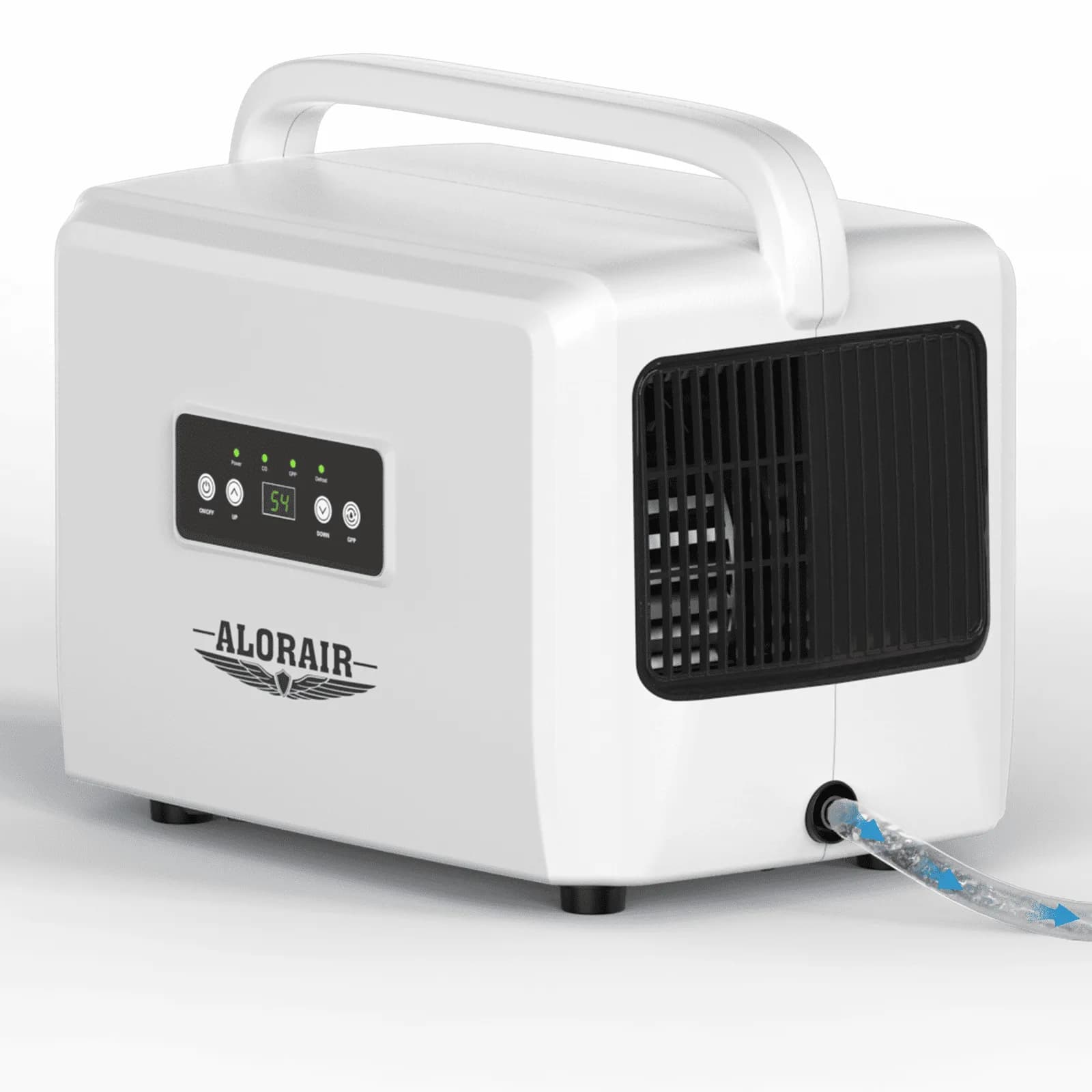
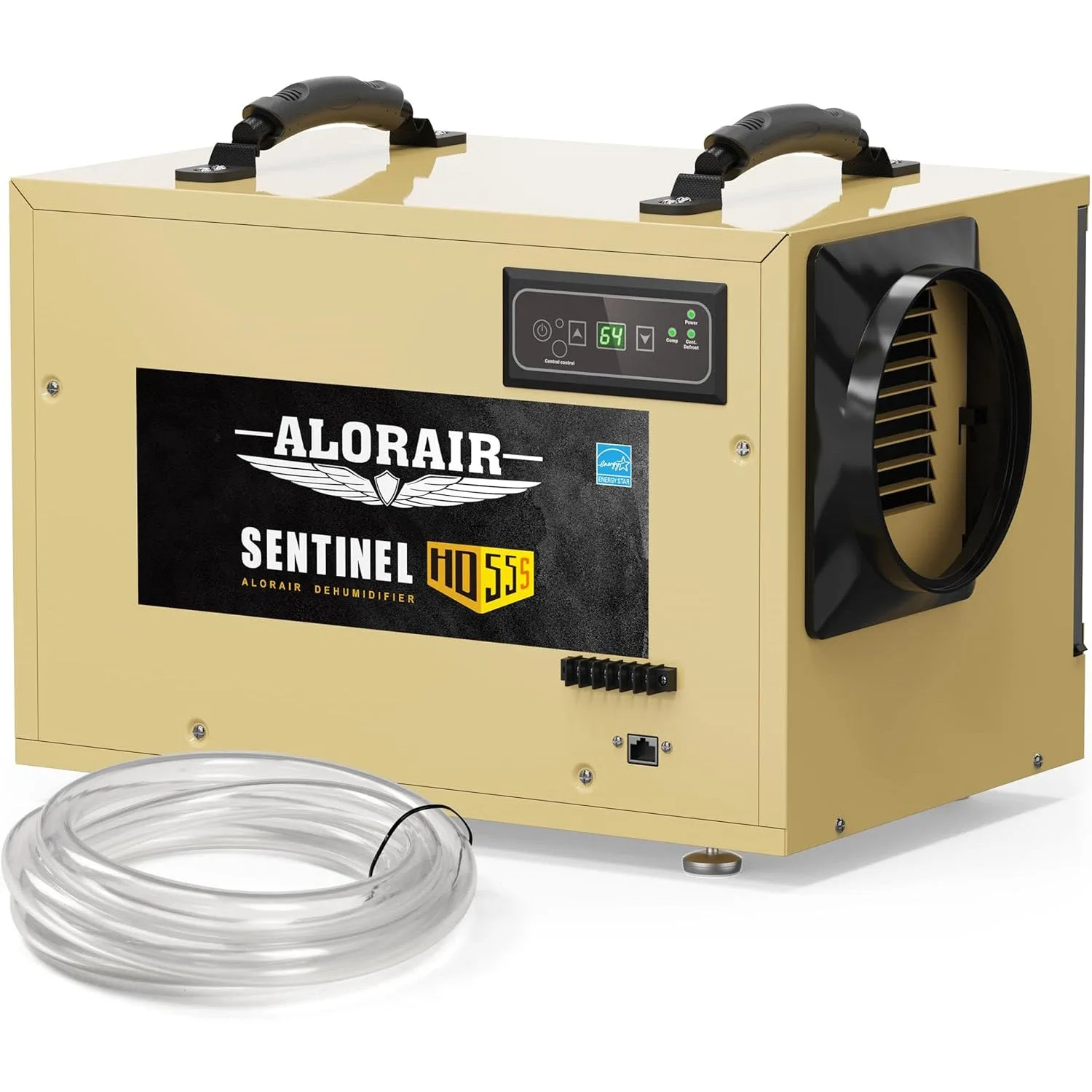
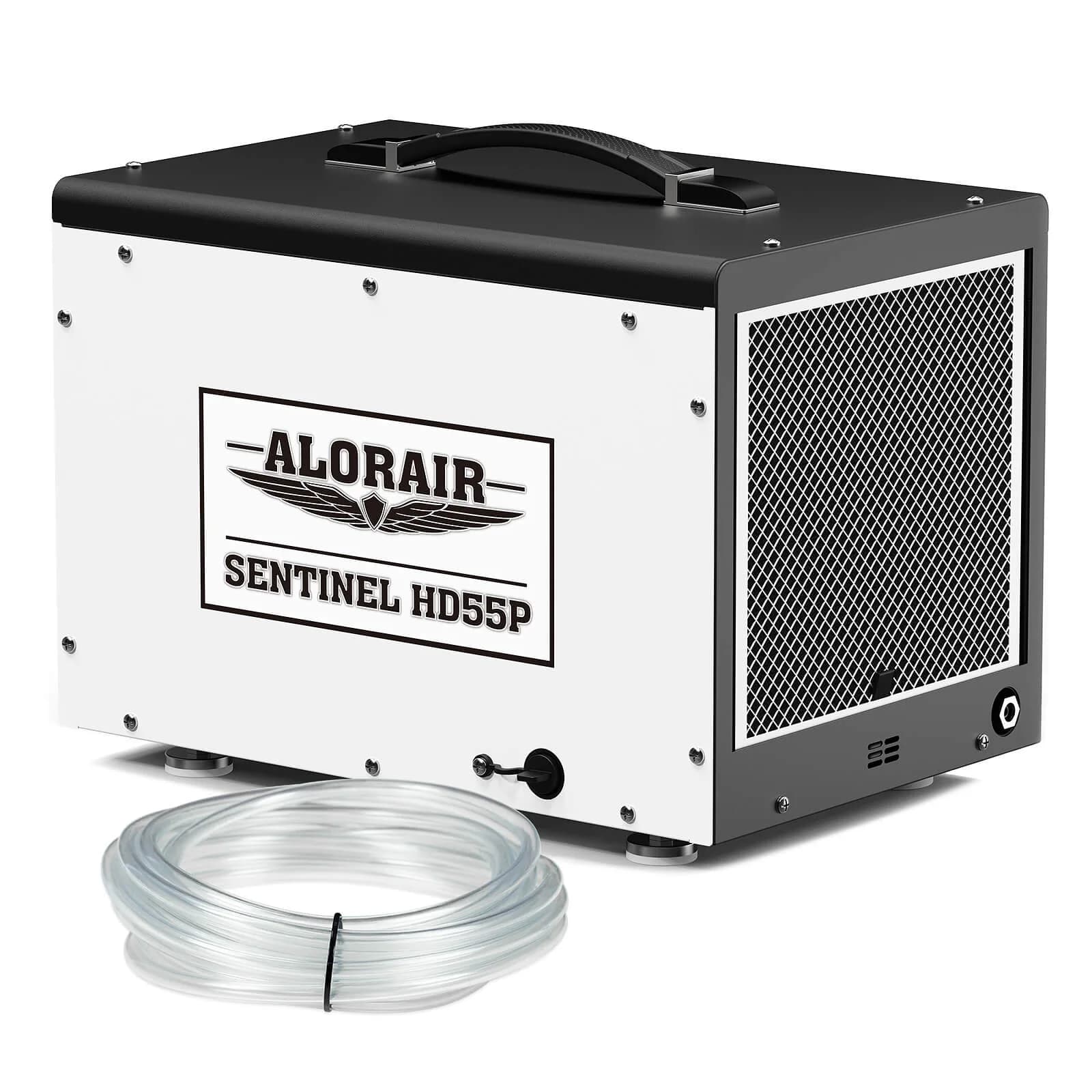
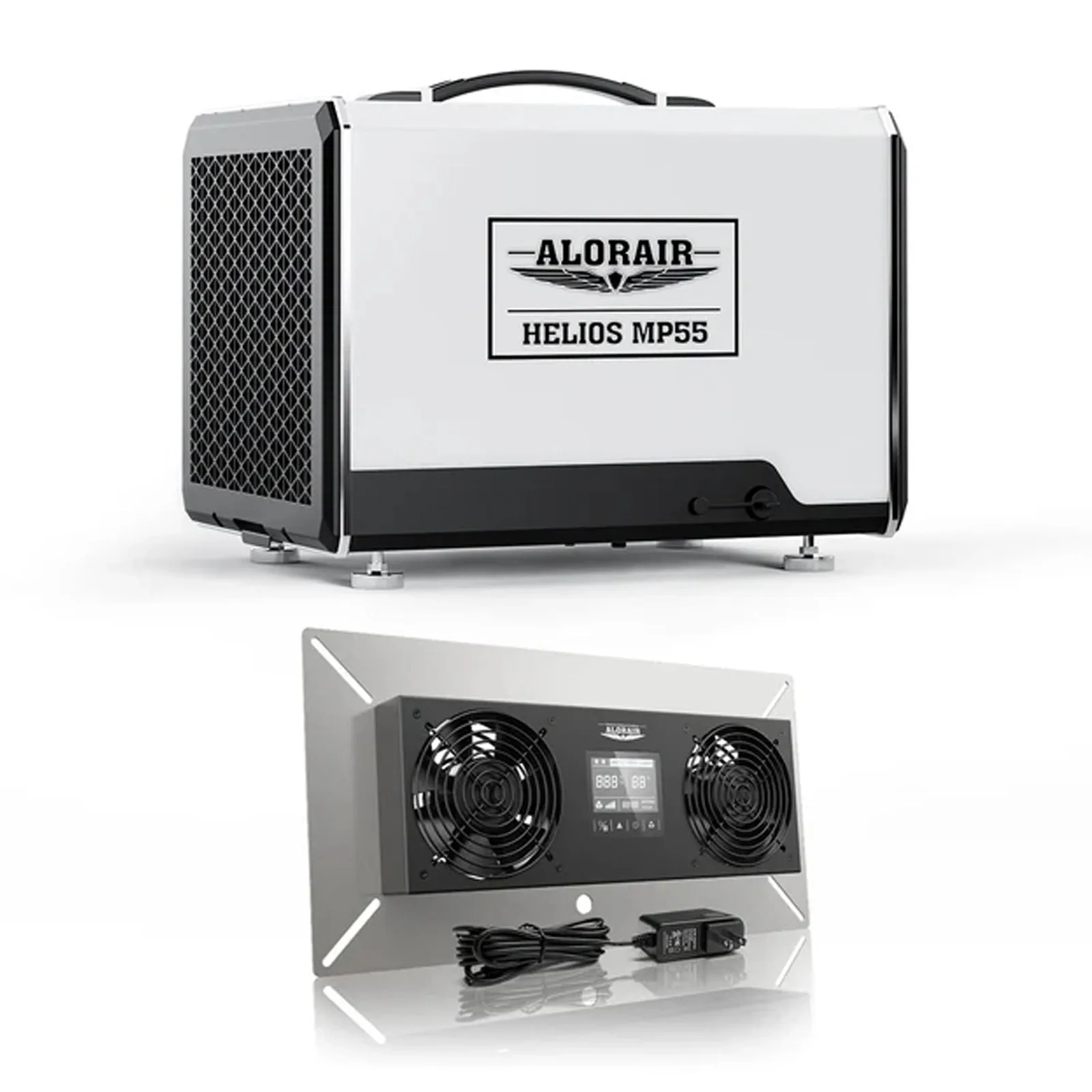
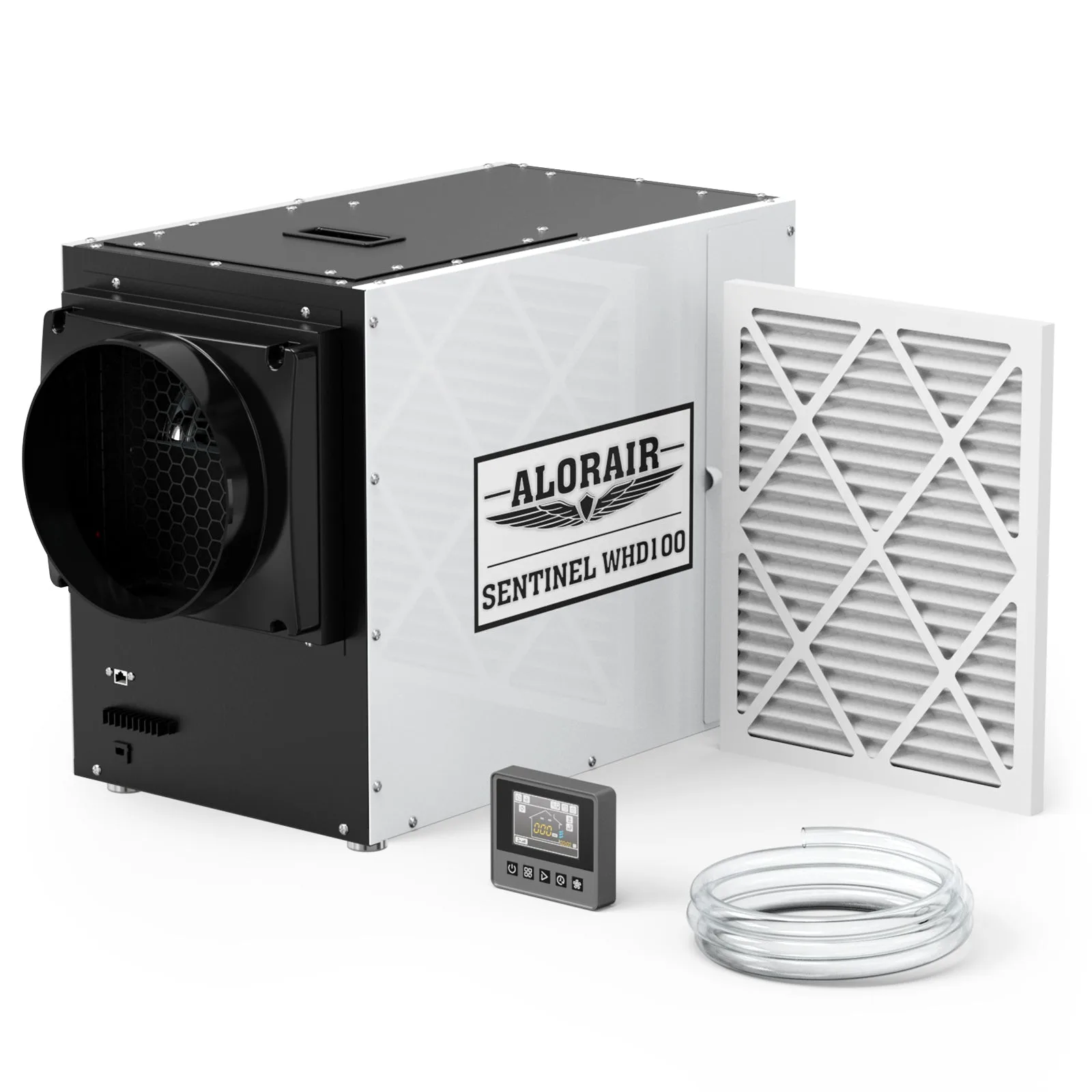
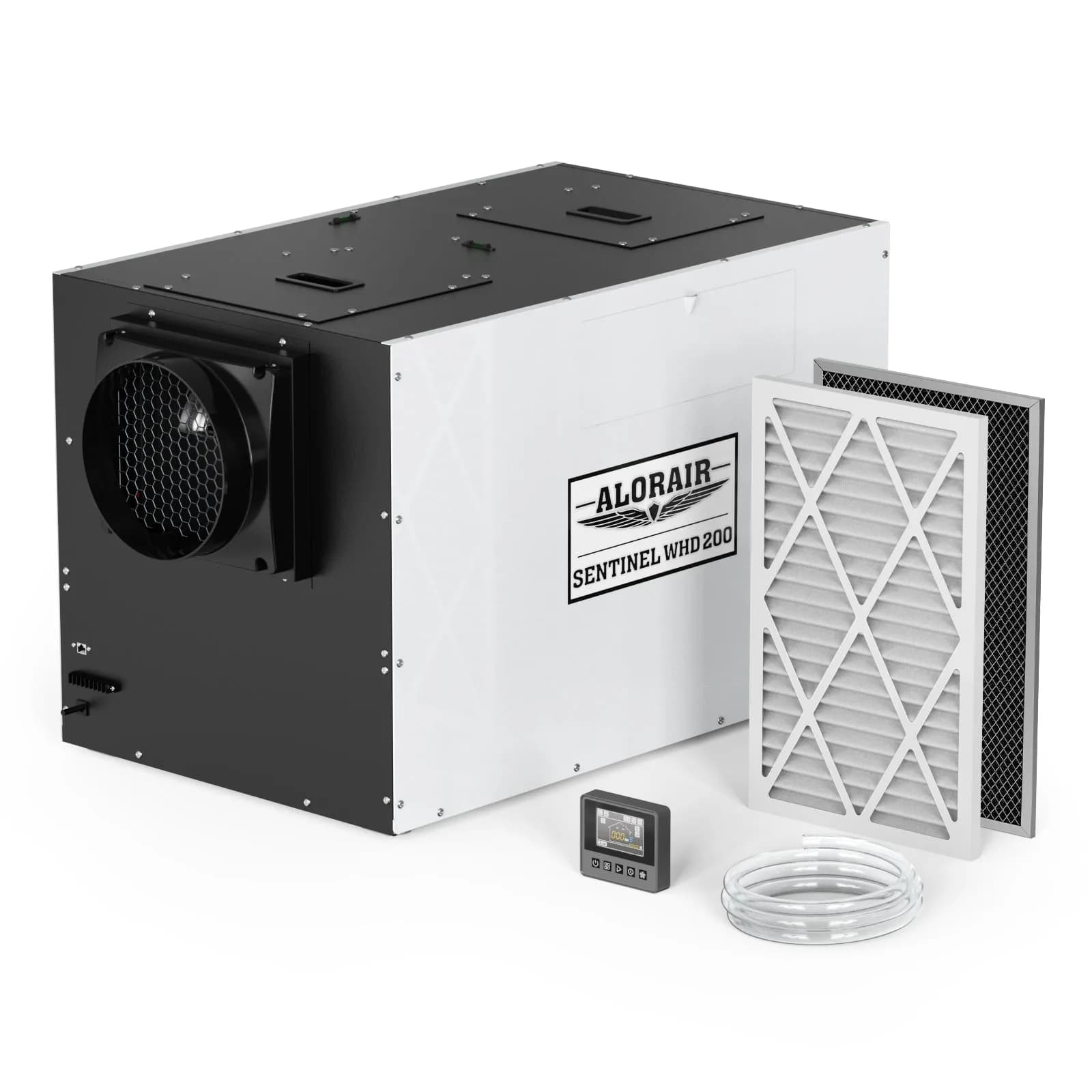
That matters when you compare listings. Many crawl-space units, including those in our listings, are sold with a "PPD" (pints per day) figure and a square-footage figure, and older listings, newer listings and different makers may not use the same test conditions. Before comparing two machines by their pint numbers, check on each maker's specification sheet which conditions the figure was measured at, and compare like with like.
Crawl spaces: cover the ground first
In a crawl space with a dirt floor, much of the moisture comes up from the soil. The U.S. Department of Energy's guide to crawl-space vapor retarders says exposed dirt floors "allow ground vapor and soil gases to enter the space" when a vapor retarder is missing or not effective. Its checklist calls for 100% coverage, or as close as is reasonably possible, seams overlapped by at least 12 inches, and the sheet run at least 6 inches up walls, columns and footings.
A dehumidifier in a crawl space with bare soil is working against the ground. Fix the cover first; then size the dehumidifier for the space.
Getting the most from it
ENERGY STAR's own tips: keep the doors and windows to the space closed while the unit runs, and let the humidistat hold the level rather than running it flat out. An ENERGY STAR-certified dehumidifier removes the same amount of moisture as a similarly sized conventional unit while using 20% less energy, by ENERGY STAR's figures.
For a basement or crawl space, also check how the unit drains. A unit that empties through a hose or a built-in pump can run unattended; a bucket has to be emptied by hand.
The bottom line
- Aim for 30 to 50 percent relative humidity, and below 60 percent at most.
- For a portable unit, ENERGY STAR's minimum by area and dampness: up to 2,000 sq ft, 20–30 pints a day for slightly damp, up to 30–50 for wet; more above 2,000 sq ft.
- Compare pint ratings only when they come from the same test conditions.
- In a crawl space, cover the soil with a vapor retarder before you buy.
Sources
- U.S. Environmental Protection Agency, A Brief Guide to Mold, Moisture and Your Home — keep indoor humidity below 60 percent, ideally 30–50 percent. Accessed 2026-10-01.
- ENERGY STAR, Dehumidifiers — table to estimate the minimum capacity of a portable dehumidifier, by area and condition, with relative-humidity ranges; whole-home units pointed to the page's section on buying and installing a whole-home dehumidifier; optimum 30–50%; built-in humidistat; keep doors and windows closed; 20% less energy. Accessed 2026-10-01.
- ENERGY STAR, Dehumidifier Testing and Capacity — portable dehumidifiers tested at 65°F rather than 80°F from June 2019; approximate conversion table (portable 30→20, 50→30, 70→40–45; whole-home 80→70, 120→100, 200→170 pints/day). Accessed 2026-10-01.
- Energy Vanguard, Allison Bailes, The Confusing World of Dehumidifier Capacity, 2021-05-21 — old test 80°F and 60% RH, new test 65°F and 60% RH; "that 30 pint per day dehumidifier is really a 20 pint per day dehumidifier". Accessed 2026-10-01.
- U.S. Department of Energy and National Renewable Energy Laboratory, Install or Repair a Crawl Space Vapor Retarder, June 2024 — exposed dirt floors let ground vapor in; 100% coverage; 12-inch seam overlap; 6 inches up walls. Accessed 2026-10-01.