Buying guides
Published 2026-08-19 · Last reviewed 2026-08-23
Should You Buy PC Parts Now or Wait?
Almost every buying guide on the internet gives the same advice: wait. Wait for Black Friday, wait for Prime Day, wait for the next generation to launch and push last year's parts down. It is good advice most of the time, because most of the time computer parts get cheaper as they age.
2026 is not most of the time. For one large category of components — memory and storage — prices have been going up all year, and the seasonal advice that works in a normal year will cost you money in this one.
This guide is about telling those two situations apart.
What is actually happening to prices
Memory is in the middle of the sharpest price rise the PC market has seen in over a decade, and the cause is not gamers or builders. It is AI infrastructure. Data-centre operators are buying DRAM and NAND flash in enormous volumes on long-term contracts, and consumer parts compete for the same fabrication capacity.
Hard drives are squeezed by the same buyers for a different reason. They contain no flash memory at all — they are mechanical, and only three companies make them. What has been consumed there is not fabrication capacity but unit output: Western Digital and Seagate have both stated that their entire 2026 production is contractually allocated. The distinction matters for timing. Memory and flash ease when new fabrication capacity comes online. Hard drives ease only when those three manufacturers build more drives, or when data-centre demand for them slows — and neither has happened yet. We went through that market on its own in Hard Drives Are Sold Out for 2026.
The numbers on memory are stark. DRAM and NAND contract prices rose roughly 60% in a single quarter in Q2 2026. TrendForce's Q3 2026 forecast has DRAM climbing a further 13–18% quarter-over-quarter and NAND flash a further 10–15%. That is described in the trade press as a slowdown, which tells you how steep the prior quarter was. Analysts covering the sector are explicit that meaningful price relief is "still some way off," because AI capacity remains the industry's priority allocation.
This spills into things that are not obviously memory. A graphics card is, from a bill-of-materials perspective, substantially a memory product. When DRAM doubles, board partners either raise prices or cut margin, and in 2026 they have largely raised prices. The same is true of pre-built systems, mini PCs, NAS enclosures sold with drives included, and laptops.
The practical split
The question "should I buy now or wait?" has two different answers in 2026 depending on what you are buying, and the dividing line is whether the part's cost is dominated by memory.
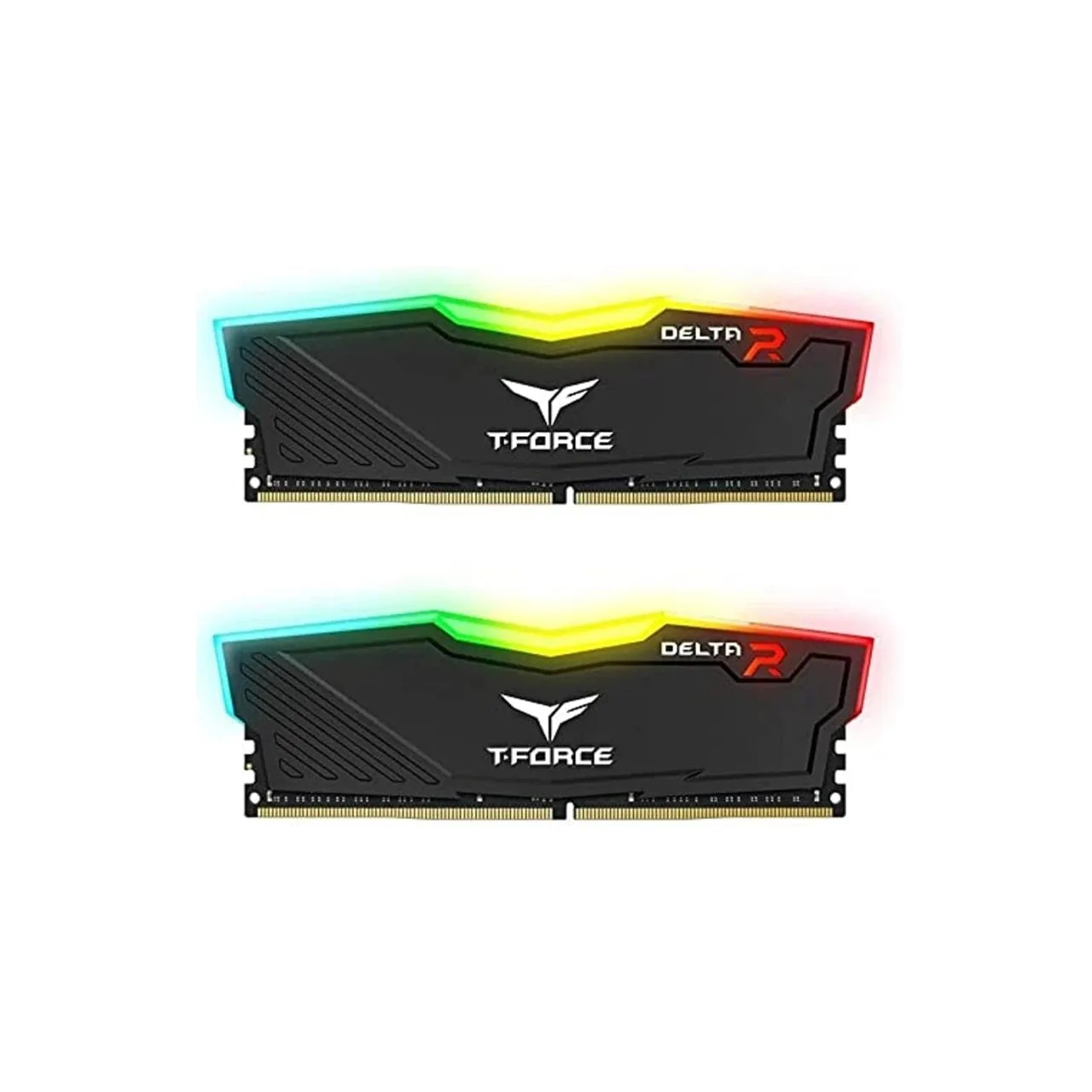
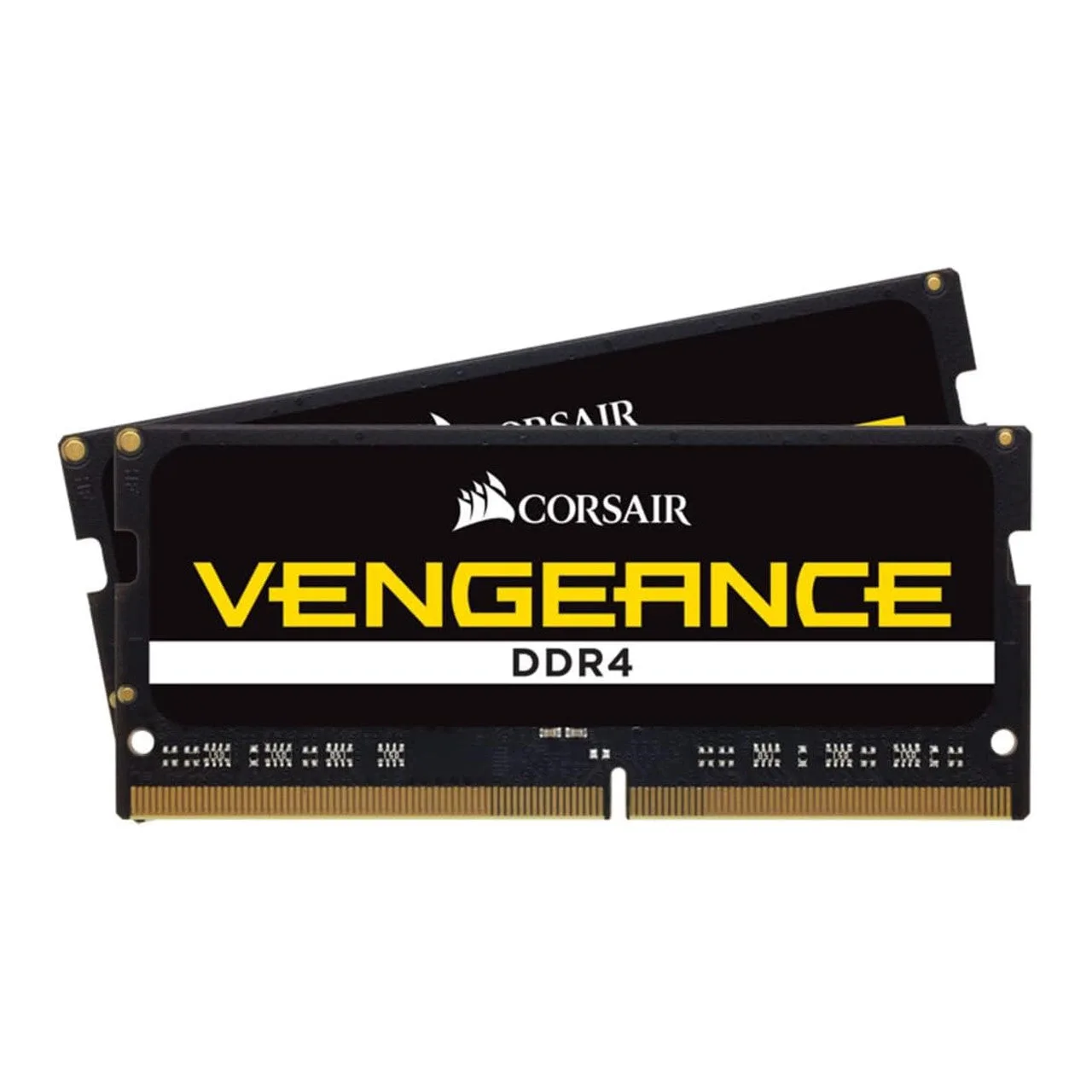
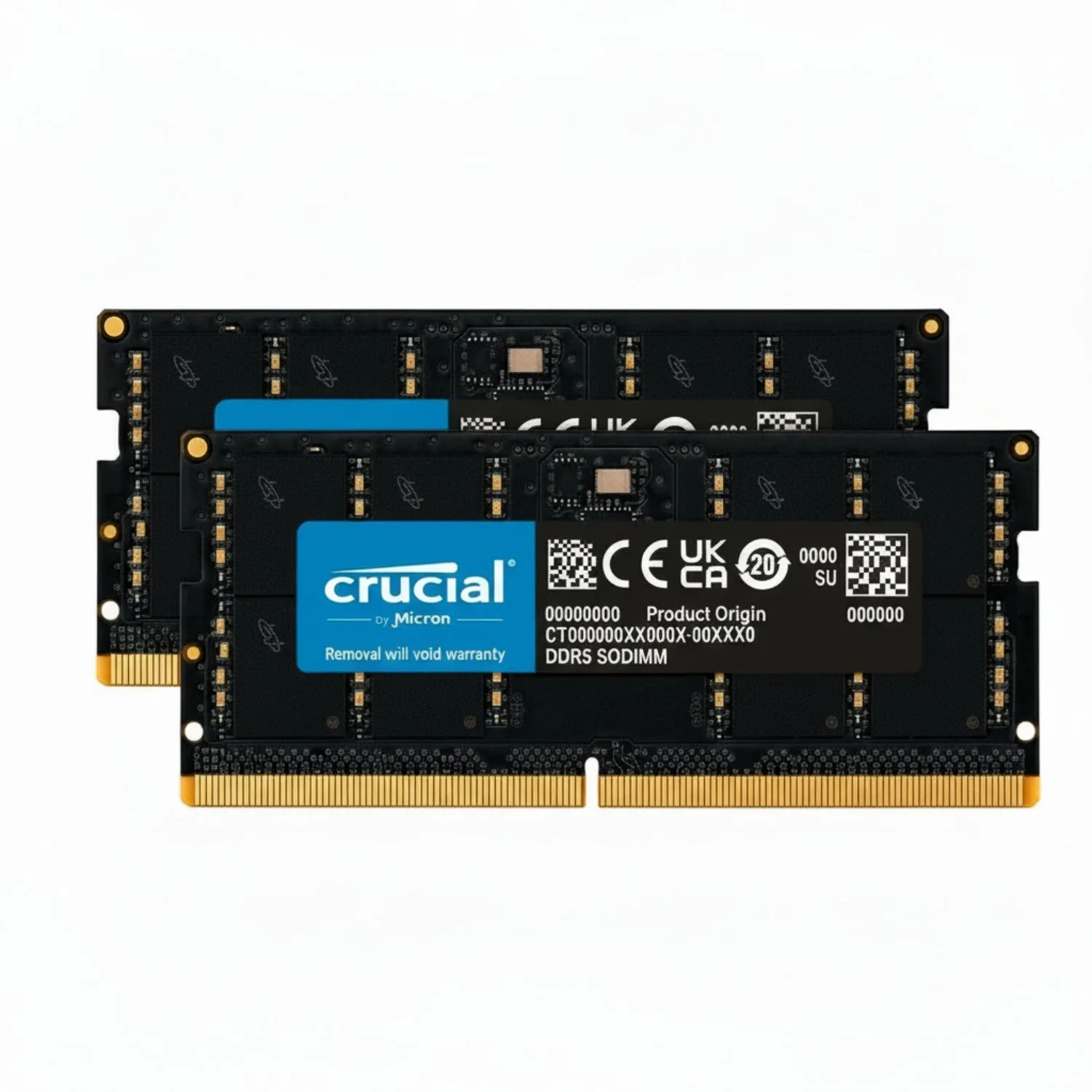
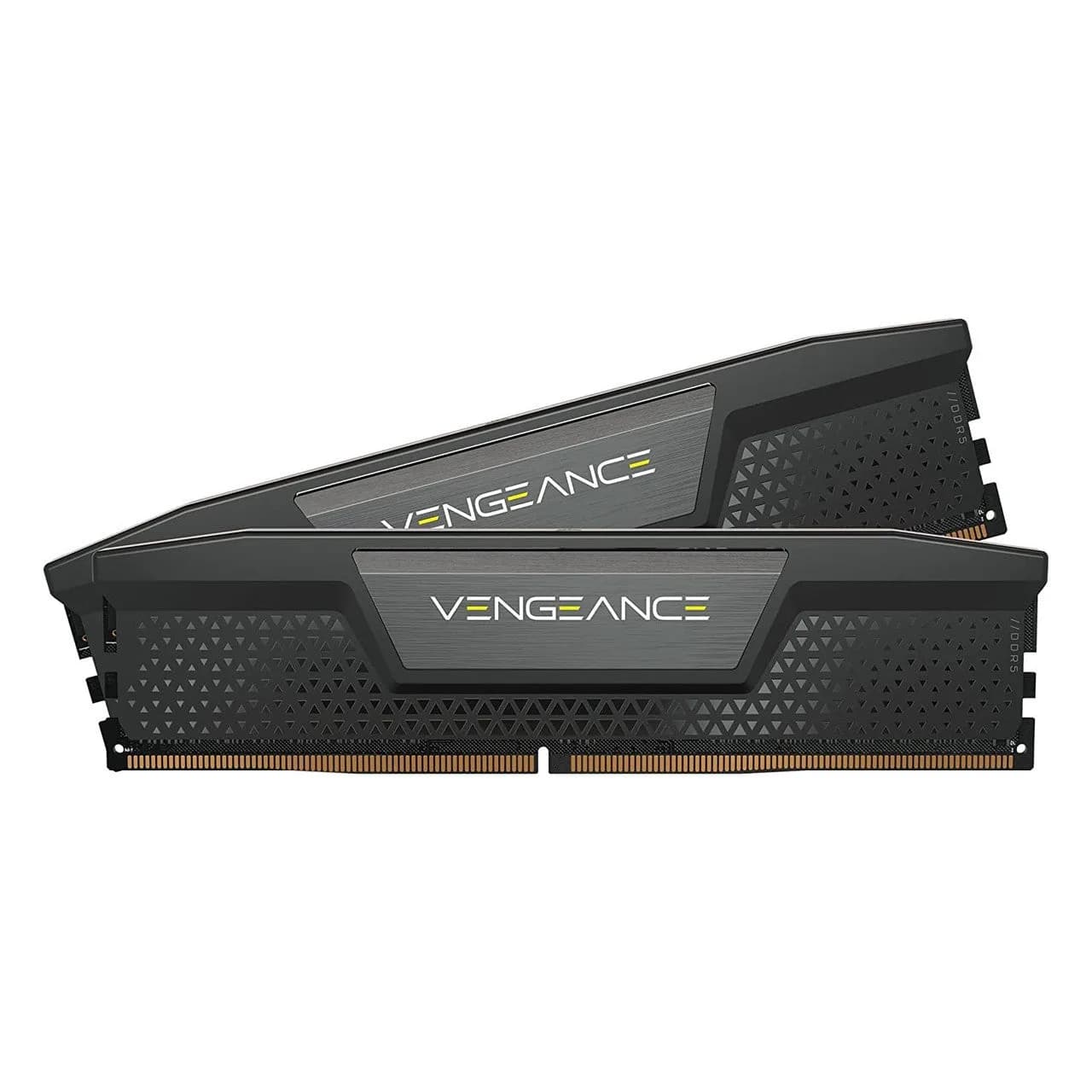
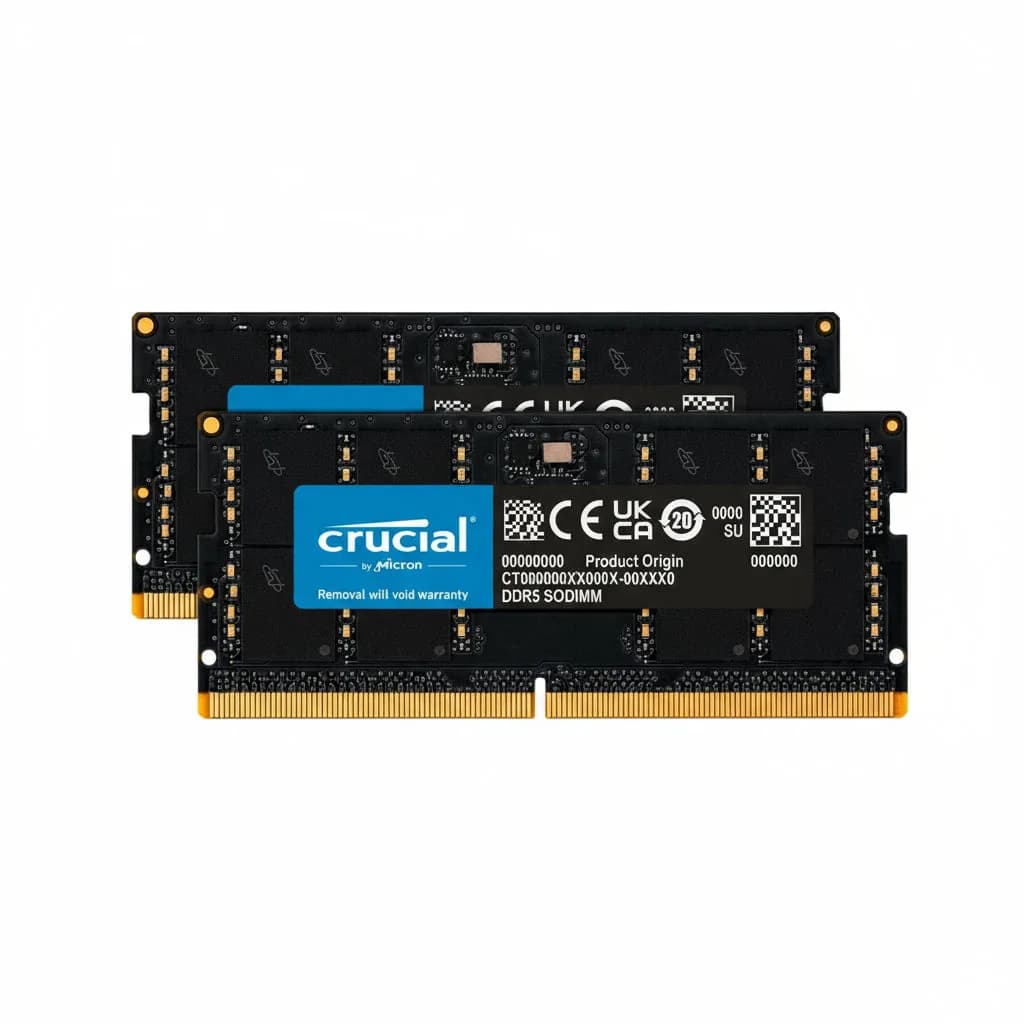
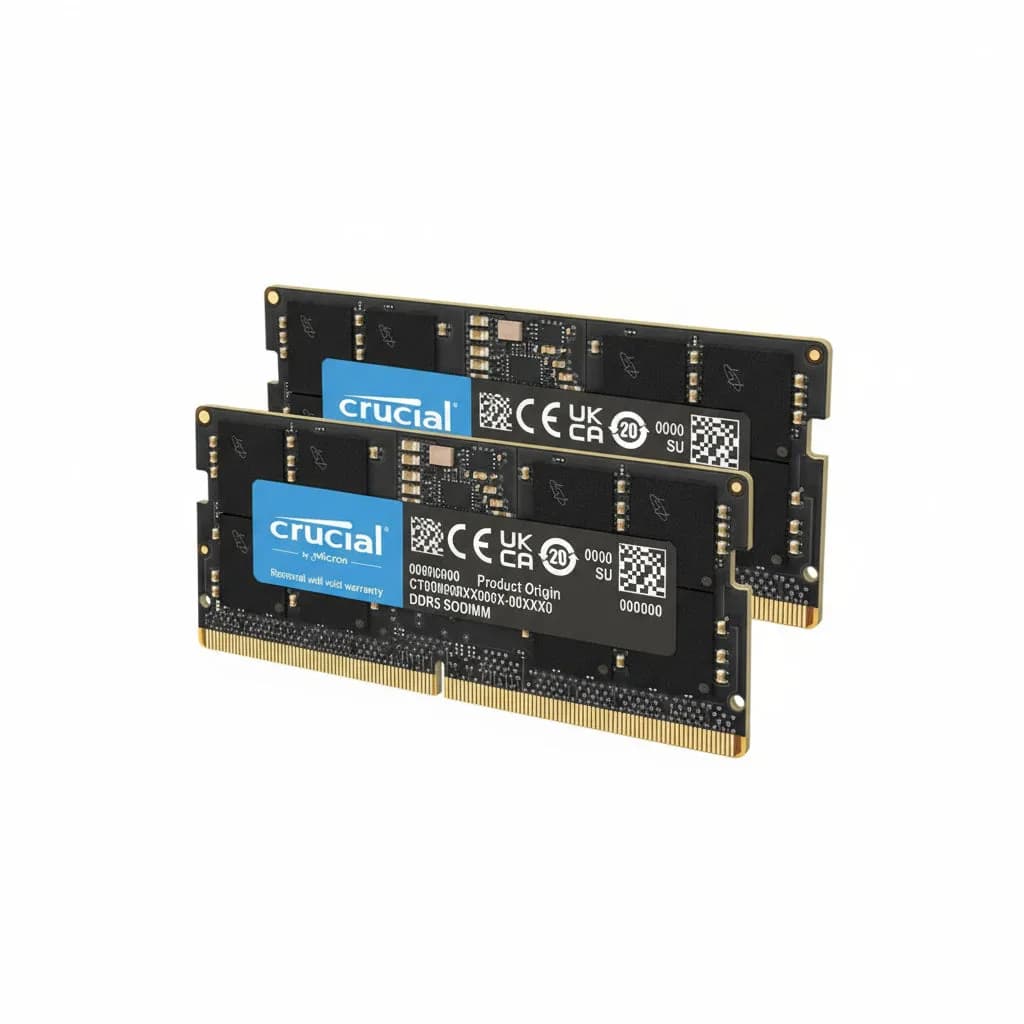
Buy now, if you need it: RAM kits, SSDs, NVMe drives, hard drives, anything sold with storage included, and to a lesser degree graphics cards. These are the parts where waiting has been the losing move all year. If a 32GB DDR5 kit is on your list and the price looks high, the uncomfortable truth is that today's high price has a reasonable chance of being next quarter's bargain. Waiting for a sale on a rising market means paying a discount off a higher list price, which is often worse than paying full price today.
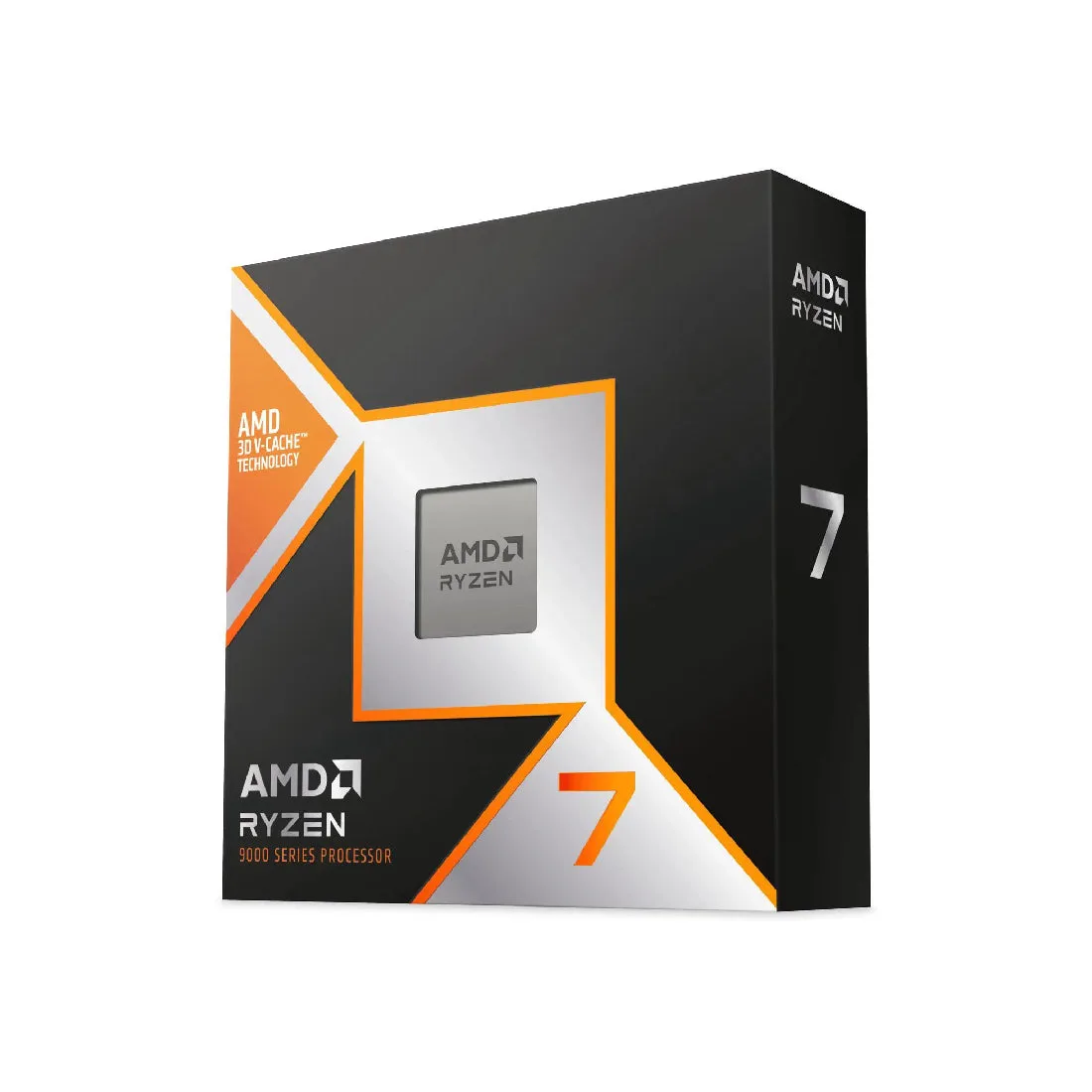
Waiting still works: cases, power supplies, coolers, fans, motherboards, peripherals, monitors, and CPUs. None of these are memory-dominated. They follow the ordinary pattern — new generation launches, previous generation discounts, seasonal sales are real sales. The classic calendar advice applies here essentially unchanged.
That split is the single most useful thing to take away. It is also why generic "best time to buy PC parts" articles are unusually unreliable right now: they were written against a market where everything drifts downward, and half the market currently doesn't.
How to tell a real discount from a marked-up one
This matters more when prices are rising, because rising list prices make discounts look bigger without making them better.
The number that matters is not the percentage off. It is the price you would actually pay, compared with what that same part actually sold for recently. A retailer that raises a drive from $89 to $119 and then advertises "20% off" at $95 is showing you a genuine markdown against its own current list price and a 7% increase against what you could have paid a month ago. Both statements are true. Only one of them is about your money.
Three habits are worth more than any single tool here. Check the price against more than one seller, because in a supply-constrained market the spread between retailers widens considerably — parts that used to sit within a few dollars of each other can differ by a third. Note the capacity and the exact model number rather than the product family, because manufacturers quietly introduce lower-specification variants at the old price point when costs rise. And treat urgency language as noise: "limited stock" has been true of memory for most of 2026 and therefore tells you nothing about whether today's price is good.
What a launch actually does to prices
The most reliable price movement in components is not seasonal, it is generational. When a new CPU or GPU generation ships, the previous generation gets cheaper — sometimes weeks before the launch, as retailers clear inventory ahead of it.
This still works in 2026, with one caveat: it works on the silicon, not on the memory attached to it. A previous-generation graphics card will come down relative to its launch price, but its floor is being propped up by what the memory on it costs. Expect smaller clearance discounts than you would have seen in 2023 or 2024, and expect them to disappear faster.
For CPUs specifically, generational clearance remains one of the best-value moments in the entire calendar, because a CPU's price is not memory-linked.
The honest limits of this advice
Two things are worth saying plainly.
First, nobody knows when the memory market turns. The forecasts above are quarterly projections from a market-research firm, not guarantees, and the sector has surprised in both directions before. What we can say with confidence is the direction of the last four quarters and the direction of the current published forecast. What we cannot say is which month it reverses.
Second, "buy now" is not the same as "buy anything." If a build can wait a year entirely — if the machine you have still does the job — then waiting a year is a different decision from waiting a quarter, and this guide has nothing useful to say about it. The advice here is narrow: if you have decided to buy in the next few months and you are choosing when within that window, memory-heavy parts argue for sooner and everything else argues for the usual patience.
What GoPriceFinder shows you today
We track prices daily across the merchants in our catalogue, including components, storage, mini PCs and NAS gear. On any product page you can see what it costs today, when we last checked it, and — when the store publishes a list price alongside it — whether it has been marked down from that.
Most of our partners' feeds do not publish a list price at all. Where a card shows no markdown, that means we have no list price to compare against; it is not a statement that the item is at full price. We would rather show you nothing than infer a discount, or the absence of one, from data we do not have.
We are recording those daily prices now so that we can eventually show you how each product's price has actually moved over time — which is the only real answer to "is this a good price?" Those history charts are not live yet. We would rather tell you that than imply we already have them.
Sources: Tom's Hardware — memory price surge and TrendForce Q3 2026 forecast, TrendForce — AI server demand driving memory contract price increases. Figures cited are quarter-over-quarter contract price movements as reported August 2026.