Buying guides
Published 2026-08-20 · Last reviewed 2026-08-23
Should You Buy a NAS in 2026?
The drives are the decision. The box is the cheap part.
Western Digital has already sold every hard drive it will make this year. Not most of them. All of them — on firm purchase orders, to seven customers.
None of those customers is you.
That one fact tells you more about buying a NAS in 2026 than any spec sheet will.
"Sold out" isn't a figure of speech here
On Western Digital's Q2 2026 earnings call in February, chief executive Irving Tan didn't dress it up: "we're pretty much sold out for calendar 2026. We have firm POs with our top seven customers."
Then he went further. Long-term agreements are already signed with two of those customers for 2027, and one for 2028 — locking in volume and price years ahead. Seagate is in the same position, its capacity reported as committed into 2027.
The price effect is not subtle. Across Western Digital's HDD models, the average price is up 46% since September 2025.
If the drive market itself is what you are trying to understand — why it happened, what it has cost so far, and whether any of it is likely to ease — we went through it separately in Hard Drives Are Sold Out for 2026.
You are not the customer
Here's the number that reframes the whole decision. At Western Digital, cloud customers are 89% of revenue. Consumers are 5%.
This shortage is AI infrastructure. Data centres buy storage in volumes that make the retail market a rounding error — and they buy it on contracts that lock supply years out.
Which is why "wait for prices to come down" is weaker advice than it sounds. Waiting works when consumer demand softens and sellers blink. Consumer demand is 5% of this picture. There's no lever to wait for.
Flash won't rescue you either
Solid state is caught in the same squeeze. NAND contract prices climbed roughly 60% in a single quarter in Q2 2026, with another 10–15% forecast for Q3 — same AI buildout, same fabs.
And flash was never close to competitive at these capacities. Western Digital's own comparison puts SSDs at more than sixteen times the cost of equivalent hard drives.
A small SSD for cache or boot still makes sense. Flash for bulk storage is a different budget, not a clever workaround.
The old advice is now the wrong advice
Your purchase has split in two. Enclosures are ordinary consumer electronics — competitive, seasonally discounted, behaving themselves. Drives are a rationed commodity. Every NAS guide written before 2026 treats them as one purchase, and that's precisely what leads you astray.
"Buy bigger than you need" has become expensive. It was sound advice for years, back when storage got cheaper every time you looked. But at 46% in under twelve months, you'd be paying a scarcity premium for terabytes you won't touch until 2029.
Where you stand, and what to do
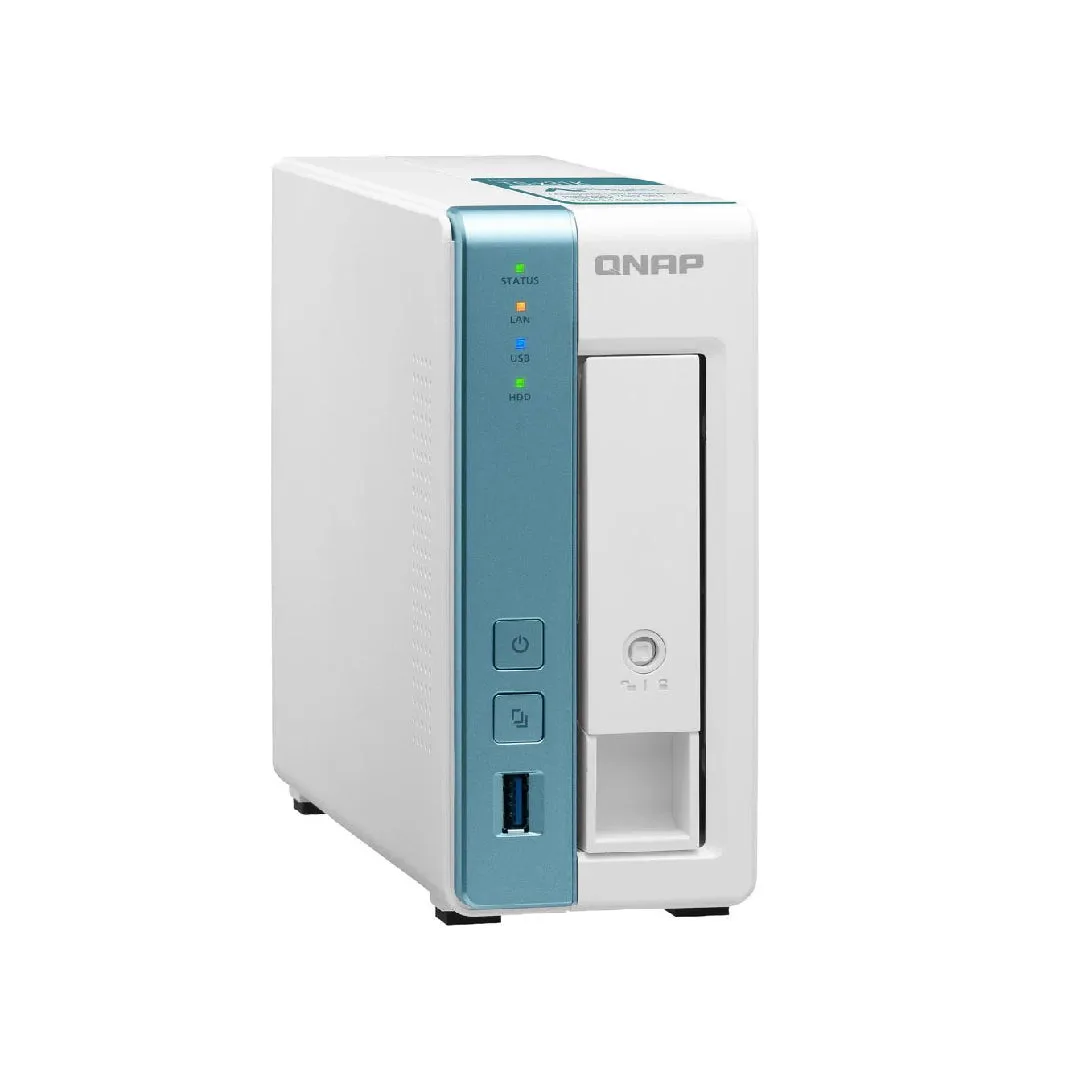
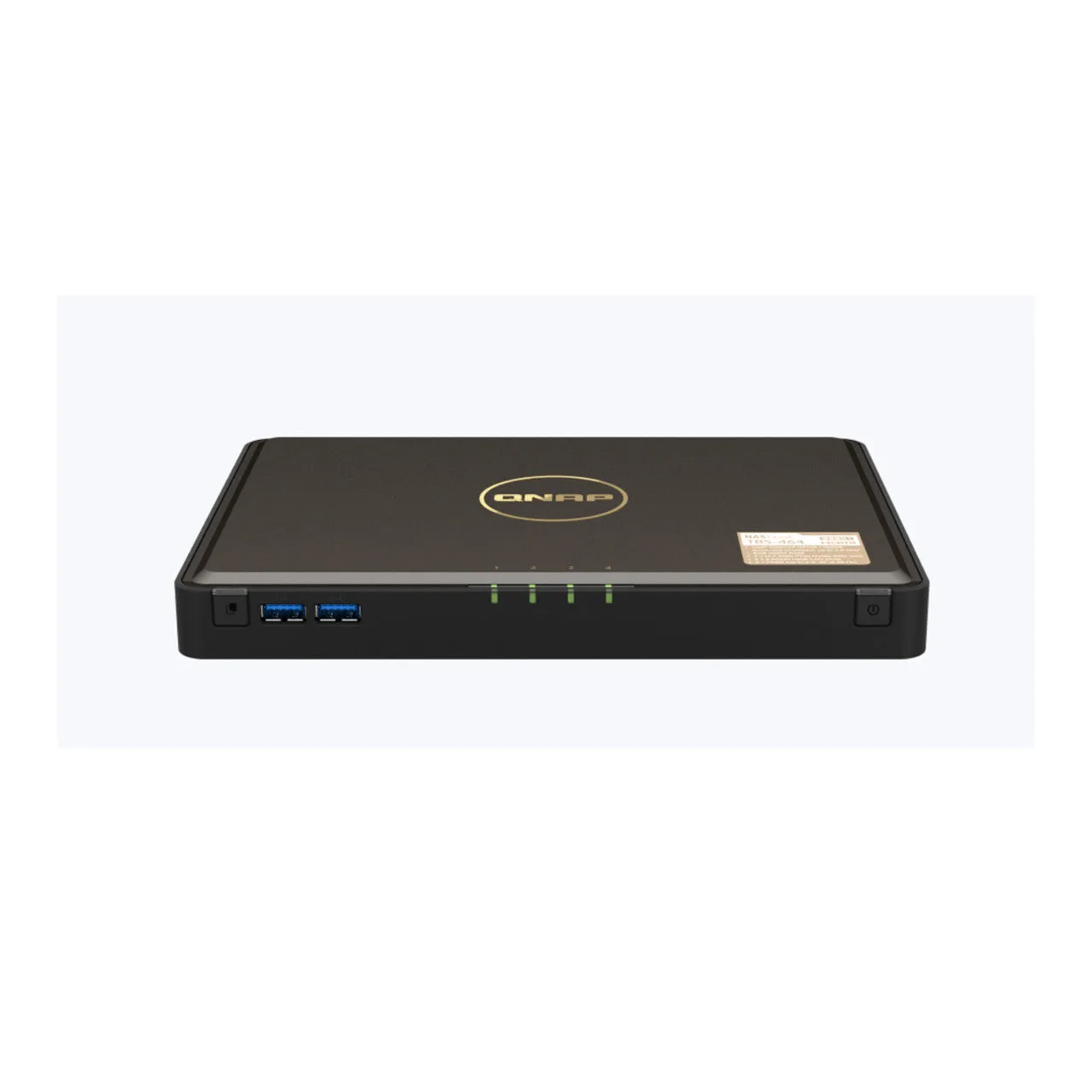
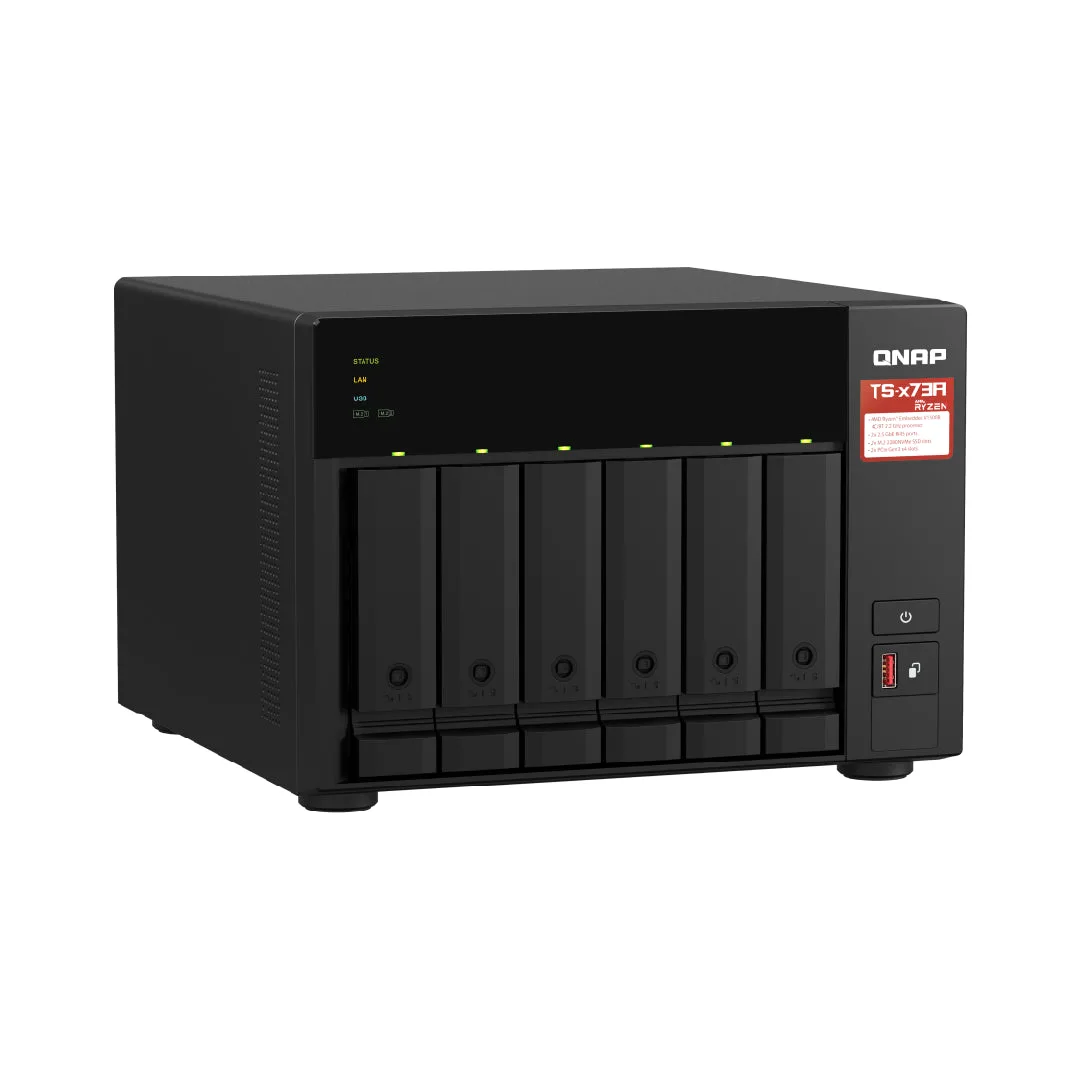
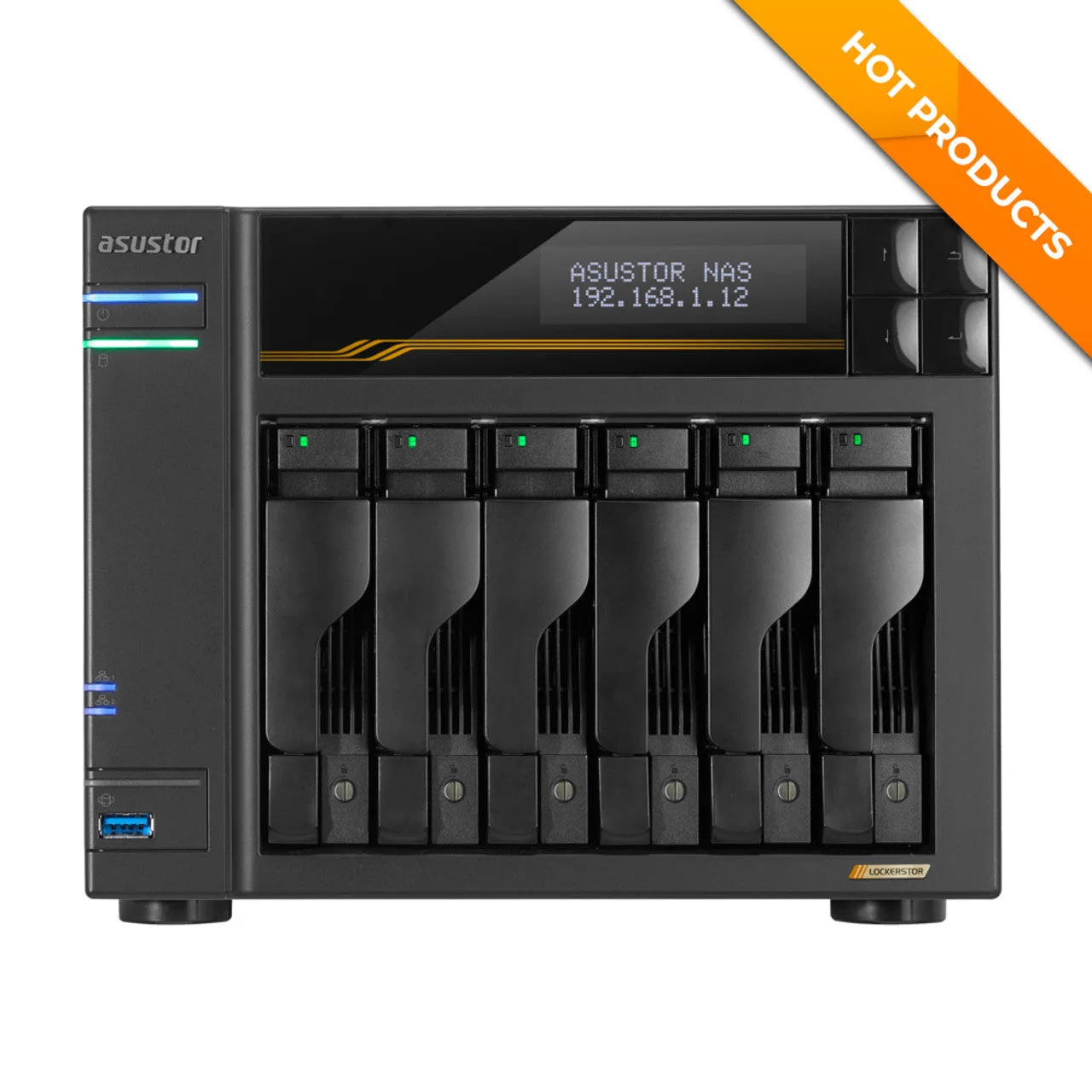
You need storage now. Buy the enclosure today — it isn't under pressure. Then size the drives to the next 12–18 months, not the next five years.
You're choosing between capacities. Check price per terabyte on the day you buy — not the week before. The old rule that mid-range capacities are the sweet spot has stopped holding. These days the answer moves week to week.
You're tempted to half-fill the bays. Fair hedge — but check the exit first. Growing an array later isn't always growing. Depending on your RAID level and your vendor's tools, it can mean a long rebuild, or restoring from backup instead. Find out what your model does before you buy two drives rather than four.
A drive in your array is failing. Replace it today. This one isn't really about price at all — it's a data decision wearing a price decision's clothes, and losing the array will cost you far more than any premium you pay this month.
You're eyeing recertified enterprise drives. A genuinely good option this year, with genuine strings attached. They're cheaper and plentiful. They also arrive with unknown power-on hours unless the seller documents them, shorter warranties, and no history you can verify. Buy from someone who publishes SMART data. Treat the warranty term as the actual product. And never let a recertified drive hold your only copy of anything.
What we can't tell you
Nobody knows when this turns. The figures above are reported statements and quarterly forecasts, not promises, and this market has surprised people in both directions before.
What's solid: four quarters of direction, and supply locked up well into 2027. What isn't: the month it reverses.
And if you don't actually need a NAS, feel free to ignore all of it. This guide is for someone who has already decided to buy, and is only working out when.
The habit that beats a forecast
Timing questions are hard for a boring reason: almost nobody can see what a product cost last month. One price on one day tells you nothing about whether it's a good price — which is exactly how a raised list price with a discount stapled to it passes for a bargain.
We track prices daily across the merchants in our catalogue, including storage, NAS enclosures and networking gear. On any product page you can see what it costs today, and when we last checked it.
We're recording those daily prices now so we can eventually show you how each product's price has actually moved. Those charts aren't live yet. We'd rather tell you that than let you assume otherwise.
So here's the thing worth holding on to. You don't need to predict this market. Nobody can. You only need to know whether the number in front of you is better or worse than the one you saw last week.
Which takes about ten seconds: write down what a drive costs when you start looking, then check it again before you buy.
If it's gone up, the market has answered your question.
Sources: Western Digital Q2 2026 earnings call remarks by CEO Irving Tan, as reported by Tom's Hardware (sold-out status, 2027/2028 agreements, 46% average HDD price increase since September 2025, 89%/5% cloud-versus-consumer revenue split, SSD-to-HDD cost ratio); Seagate capacity commitments through 2027; NAND contract price movements from TrendForce via Tom's Hardware. Figures as reported at the dates given.