Buying guides
Published 2026-09-30 · Last reviewed 2026-09-30
Sable or Synthetic? Choosing Brushes for Miniature and Detail Painting
Sable is the premium choice. Winsor & Newton, which makes both, sells sable–synthetic blends as "close to sable at a price that is close to synthetic" — in other words, sable costs more. Whether the extra cost is worth it depends less on how good you are and more on what paint you use and how you look after the brush.
The short answer
| If you mostly… | Start with | Why |
|---|---|---|
| Paint acrylics and are still learning | Synthetic | Cheaper to replace while you build good habits |
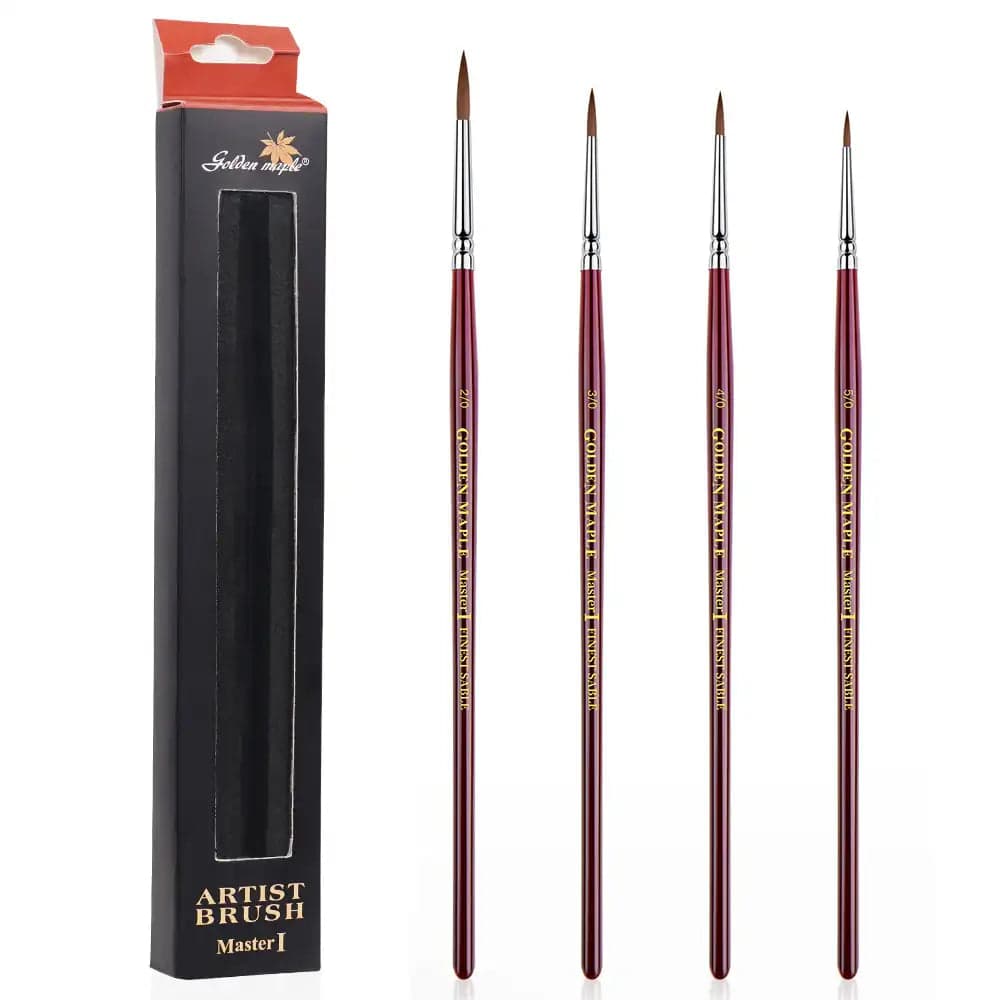
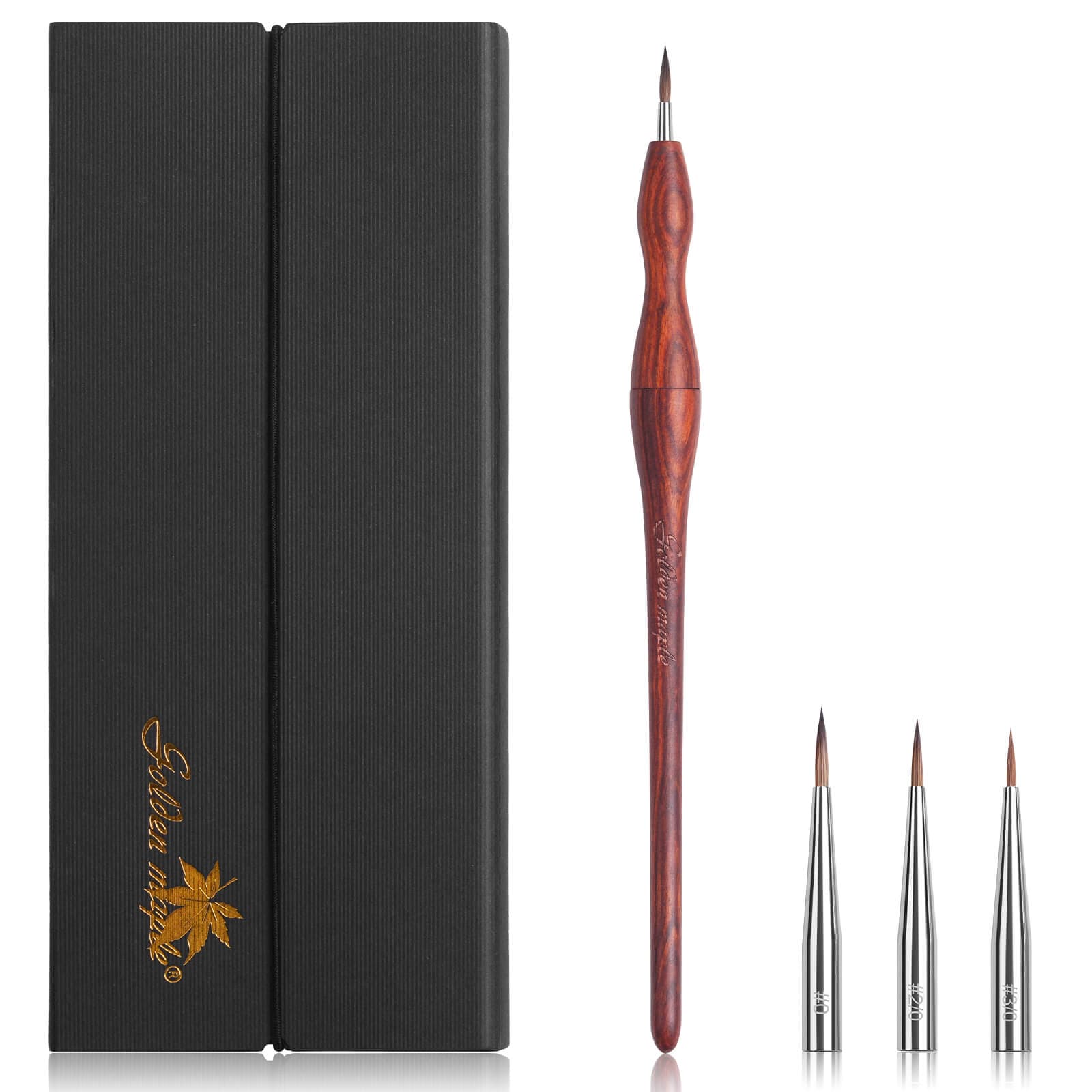
| Paint fine detail and want the sharpest, longest-lasting point | Sable (Kolinsky) | Holds a point and paint better |
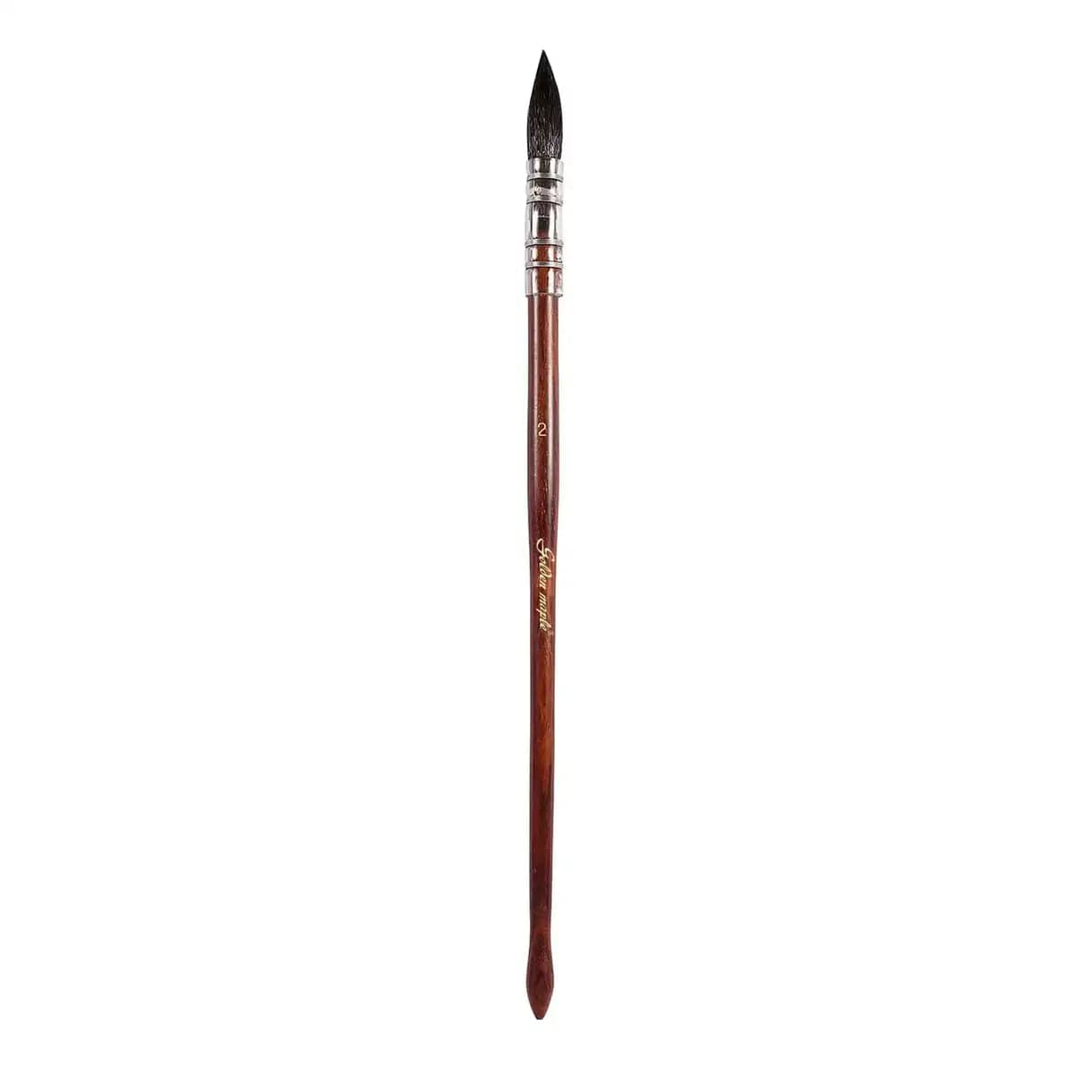
| Paint watercolour | Sable, or a sable–synthetic blend | Sable's paint-holding matters most here |
| Drybrush or do rough texture work | A stiff, cheap brush kept for that job | Save your fine points for fine work |
What sable does better
Sable hair is natural animal hair. Winsor & Newton describes it as "conical, springy" and "covered in tiny scales", which lets it "soak up a lot of colour" and "maintain a perfect point".
For detail painting, those two things — a point that comes back every time, and enough paint in the belly of the brush to finish a line without reloading — are exactly what you are paying for.
Where synthetics have caught up
Winsor & Newton says its own synthetic brushes "perform at a professional level" and that synthetic brushes "often have an excellent point and can carry colour very well". For watercolour it points to sable–synthetic blends as "close to sable at a price that is close to synthetic".
Why acrylic paint changes the answer
For acrylic, Winsor & Newton's own guide does not suggest sable at all. It recommends natural hog hair, which it calls "naturally stiff", and synthetics "if you prefer an alternative to natural hair or are on a budget". Stiff hog suits broad strokes more than fine lines, which in our view leaves synthetic as the practical choice for acrylic detail work.
Acrylic is also unforgiving. Winsor & Newton's care guide puts it plainly: "The most crucial aspect of acrylic brush care is not letting the paint dry on the brush", because dried acrylic "is not soluble" and forms "a plastic-like texture".
So if you paint with acrylics and are still building habits, a synthetic brush is the sensible first buy: it costs less to replace while you learn. Sable starts to earn its price once you reliably clean as you go.
How to make any brush last
From Winsor & Newton's acrylic care guide:
- Wipe the brush on a lint-free rag and rinse it under running water.
- Wash it in cool water with mild soap, swirling it gently in your palm.
- Repeat until the water runs clear.
- Reshape the head, remove the excess water, and stand the brush head-up to dry.
- If you cannot wash a brush straight away mid-session, keep it in water so the acrylic cannot dry on it.
The bottom line
- Learning, or painting mostly acrylics: synthetic first.
- Fine detail, and you clean as you go: a sable detail brush is where the extra cost shows.
- Watercolour: sable, or a sable–synthetic blend.
- Whatever you buy, never let acrylic dry on it.
Sources
- Winsor & Newton, Best paintbrush hair for watercolour — sable structure, point and colour-holding; modern synthetics; blends. Accessed 2026-09-29.
- Winsor & Newton, What type of brush hair is best for acrylic painting? — hog hair for acrylic; synthetics as the alternative. Accessed 2026-09-30.
- Winsor & Newton, How to clean acrylic paint brushes — cleaning steps; not letting acrylic dry on the brush. Accessed 2026-09-29.